How Much Can a VR Arcade Machine Earn in India?
A grounded look at what a single VR arcade machine actually generates in Indian malls and FECs — pricing, throughput, utilization, and the math behind ₹3.74 lakh a month.
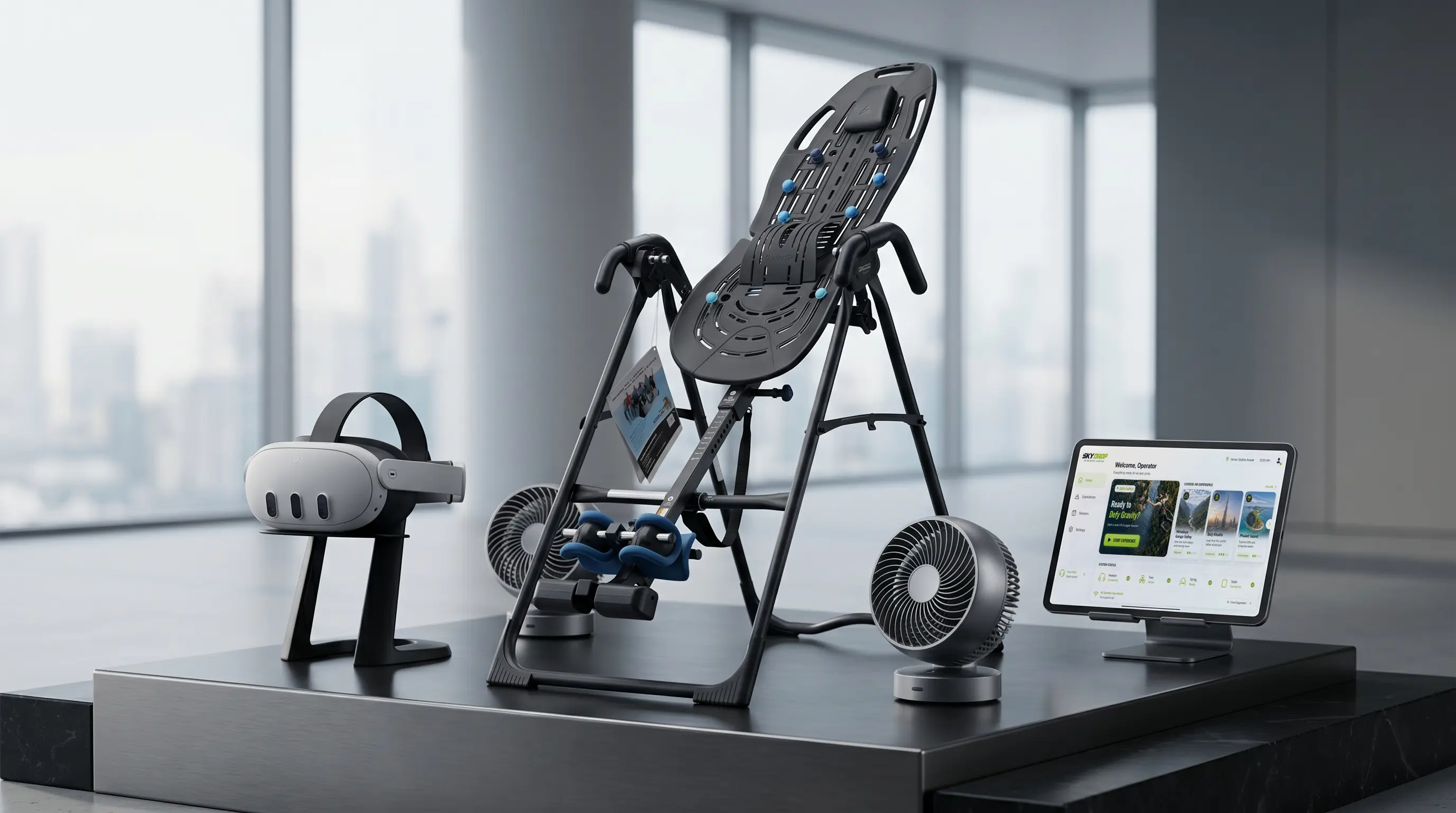
The honest answer: it depends on three things — price per session, how fast the machine cycles, and how many of those sessions you actually fill. Get those three right and a single VR arcade machine in India can generate ₹3.5–4 lakh a month. Get them wrong and you’re looking at a quarter of that.
Here’s how the math works, and what we’ve seen across the venues running our hardware.
The three numbers that decide everything
1. Ticket price
Indian VR arcade pricing has settled into a fairly tight band:
- ₹100–150 per session for short-form VR rides (60–120 seconds).
- ₹200–300 for premium motion-based attractions or multiplayer titles.
- ₹400+ for branded/IP-licensed experiences in tier-1 malls.
A higher ticket isn’t always better. The right price is whatever holds your queue at near-full utilization during peak hours without scaring off impulse customers.
2. Cycle time (throughput)
This is the operator-side number most owners underestimate. A “5-minute machine” on the brochure is rarely a 5-minute machine on the floor — you have to factor in headset on/off, briefing, harness, and the reset.
A well-tuned VR ride should hit:
- 5 minutes per cycle for a single-player thrill ride (this is what SkyDrop targets).
- 3–4 minutes for short arcade-style VR.
- 8–10 minutes for full-length seated experiences.
At 5 minutes a cycle, you get 12 sessions per hour — the absolute throughput ceiling, before you account for footfall.
3. Utilization
The number that separates a good month from a great one. Utilization is the percentage of available cycles you actually sell. In our experience across Indian venues:
- Weekday afternoons in suburban malls: 20–35% utilization.
- Weekday evenings + weekends: 60–80%.
- Weekends in high-footfall locations (mall food courts, themed FECs): 85–95%.
Average it out across a month and most operators we work with land around 55–70% utilization — and that’s the assumption we use for ROI projections.
Worked example: SkyDrop VR Bungee
Let’s run the numbers on a single SkyDrop VR Bungee installed in a mid-tier mall in India:
| Input | Value |
|---|---|
| Ticket price | ₹150 |
| Cycle time | 5 minutes |
| Sessions per hour | 12 |
| Operating hours | 8 per day |
| Operating days | 26 per month |
At 100% utilization that’s:
- ₹1,800 / hour
- ₹14,400 / day
- ₹3.74 lakh / month
At a more realistic 65% utilization, that’s roughly ₹2.43 lakh / month — still enough to recover a ₹3,00,000 capex on a single machine inside the first quarter of operation.
What changes the answer
A few factors push the number up or down meaningfully:
- Spectator visibility. A machine visible from 50 metres advertises itself. SkyDrop’s vertical motion rig pulls walk-up traffic that an enclosed booth never will.
- Repeat play. Single-experience rides plateau on repeat customers. Machines with multiple VR titles or rotating content keep regulars coming back.
- Operating hours. A mall food court doing 10 hours a day at 70% utilization will outperform a kiosk at 8 hours and 90%.
- Bundling. Combo packages (VR + arcade tokens, party packages, school groups) lift average ticket by 30–50% without any throughput loss.
What you can’t fix with a spreadsheet
Footfall. A great machine in a low-traffic basement will lose to a mediocre machine in a busy concourse. Pick the location first; pick the machine second.
If you want a worked ROI projection for your specific venue — square footage, daily footfall, ticket price assumptions — send us your numbers and we’ll model it.
